Uncategorized

Uncategorized

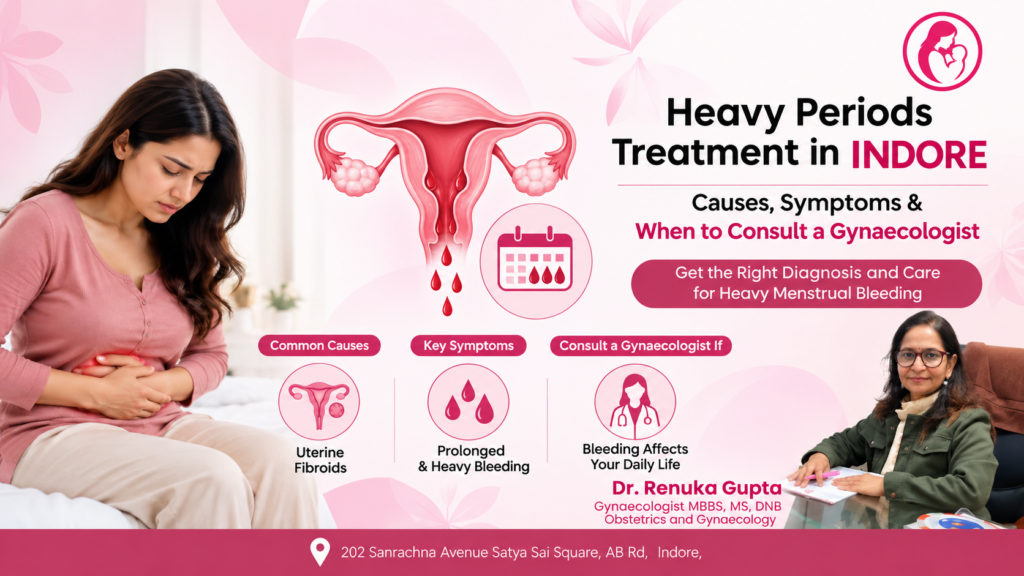
Heavy Periods Treatment in Indore: Causes, Symptoms & When to Consult a Gynaecologist

Heavy Periods Treatment in Indore is important for women experiencing unusually heavy menstrual bleeding, prolonged periods, or excessive blood loss for several months. Although menstrual flow can vary from woman to woman, periods lasting longer than seven days, passing large blood clots, and frequent pad changes may indicate an underlying gynaecological condition. Early diagnosis and appropriate medical care can help identify the cause and prevent complications such as iron-deficiency anaemia. If you are experiencing these symptoms, consulting an experienced gynaecologist is essential. Dr. Renuka Gupta (MBBS, MS (OBG), DNB) at Her Wellness Clinic provides comprehensive women’s healthcare and personalized consultation for menstrual irregularities and reproductive health concerns. Women looking for a Women’s Health Specialist in Vijay Nagar, Indore, can seek medical guidance at her clinic in Nipania, Indore. About Dr. Renuka Gupta – Experienced Gynaecologist in Indore Dr. Renuka Gupta is an experienced gynaecologist with over 15 years of experience in women’s healthcare. She holds MBBS, MS (OBG), and DNB qualifications and specializes in high-risk pregnancy, infertility, PCOS, menstrual problems, menopause care, and various gynaecological conditions. At Her Wellness Clinic – Complete Women’s Care, the focus is on accurate diagnosis, appropriate treatment, patient privacy, and compassionate medical guidance. Dr. Renuka Gupta provides consultation for women experiencing heavy menstrual bleeding, irregular periods, hormonal concerns, and other reproductive health problems. Her approach focuses on understanding each patient’s symptoms and medical history before recommending suitable treatment options. Heavy Periods Treatment in Indore – What Is Heavy Menstrual Bleeding? Heavy menstrual bleeding, medically known as menorrhagia, refers to menstrual blood loss that is unusually heavy or lasts longer than expected. A normal menstrual period generally lasts up to seven days, although the amount of bleeding can vary between individuals. Women may experience heavy bleeding during every menstrual cycle or notice a sudden change in their usual menstrual pattern. In some cases, bleeding may continue for several weeks or occur irregularly between periods. Common signs of heavy menstrual bleeding include: Periods lasting longer than seven days. Changing sanitary pads every one to two hours. Passing large blood clots during menstruation. Bleeding that continues through clothes or bedding. Feeling unusually tired, weak, or dizzy during periods. Severe abdominal cramps or pelvic discomfort. Difficulty performing daily activities because of excessive bleeding. If these symptoms occur repeatedly, seeking Heavy Periods Treatment in Indore can help identify the underlying reason and determine appropriate medical care. Women’s Health Specialist in Vijay Nagar, Indore – What Causes Heavy Periods? Heavy menstrual bleeding can occur due to hormonal changes, uterine conditions, or reproductive health problems. Identifying the underlying cause helps determine the right treatment. Uterine Fibroids Fibroids are non-cancerous growths in the uterus that may cause heavy periods, prolonged bleeding, and pelvic pressure. Polycystic Ovary Syndrome (PCOS) PCOS affects hormonal balance and ovulation, which can lead to irregular menstrual cycles and prolonged bleeding. Hormonal Imbalance Changes in oestrogen and progesterone levels can affect the uterine lining and cause unusually heavy or irregular periods. Endometriosis Endometriosis occurs when tissue similar to the uterine lining grows outside the uterus, causing painful periods and pelvic discomfort. Adenomyosis Adenomyosis develops when uterine-lining tissue grows into the muscular wall of the uterus, resulting in heavy periods and severe cramps. Uterine Polyps These are small growths inside the uterine lining that may cause prolonged periods, heavy bleeding, or spotting between cycles. Thyroid Problems Thyroid disorders can disturb hormonal balance and affect menstrual regularity, sometimes contributing to excessive bleeding. Bleeding Disorders and Medicines Blood-clotting disorders and certain medicines, such as blood thinners, can increase menstrual blood loss. Consult a Women’s Health Specialist in Vijay Nagar, Indore, if heavy bleeding continues or repeatedly affects your daily routine. Dr. Renuka Gupta can evaluate menstrual concerns and recommend suitable medical care. Heavy Periods Treatment in Indore – Symptoms You Should Never Ignore Heavy Periods Treatment in Indore may be needed if menstrual bleeding is unusually heavy or lasts longer than seven days. Excessive blood loss can cause anaemia, weakness, and fatigue. Watch for these warning signs: Prolonged bleeding for more than seven days. Frequent pad changes or large blood clots. Severe abdominal or pelvic pain. Dizziness, weakness, or breathlessness. Bleeding between periods or after menopause. If you experience sudden heavy bleeding with fainting or severe dizziness, seek immediate medical attention. Consult a gynaecologist for timely diagnosis and appropriate treatment. Gynaecologist Near Satya Sai, Indore – How Is Heavy Menstrual Bleeding Diagnosed? Correct diagnosis is the first step towards managing excessive menstrual bleeding. The doctor evaluates the patient’s menstrual history, symptoms, age, medical history, and any associated health conditions. Dr. Renuka Gupta may recommend investigations depending on the patient’s symptoms and clinical assessment. Common diagnostic tests may include: Complete Blood Count (CBC): Helps check haemoglobin levels and identify anaemia caused by blood loss. Thyroid Function Test: Helps identify thyroid-related hormonal problems that may affect menstrual cycles. Pelvic Ultrasound: Helps examine the uterus, ovaries, fibroids, polyps, and other structural abnormalities. Pregnancy Test: May be recommended when pregnancy-related bleeding needs to be ruled out. Hormonal Evaluation: Depending on the symptoms, hormonal investigations may help identify conditions affecting ovulation and menstrual regularity. Additional Uterine Investigations: Hysteroscopy or endometrial biopsy may be advised in selected cases, depending on age, symptoms, risk factors, and ultrasound findings. Not every woman requires all these tests. The investigations are selected according to individual medical needs. Heavy Periods Treatment in Indore – Available Treatment Options The treatment for heavy menstrual bleeding depends on its underlying cause, severity, age, medical history, and future pregnancy plans. There is no single treatment suitable for every woman. Depending on the diagnosis, treatment options may include: Medications to Control Bleeding        Certain prescribed medicines may help reduce excessive menstrual blood loss. The doctor decides their suitability after evaluating the patient’s condition. Hormonal Treatment        Hormonal medicines or suitable contraceptive options may help regulate menstrual cycles and reduce excessive bleeding in selected patients. Treatment for Fibroids and Polyps         If fibroids or uterine polyps are responsible for heavy bleeding, the
Uncategorized

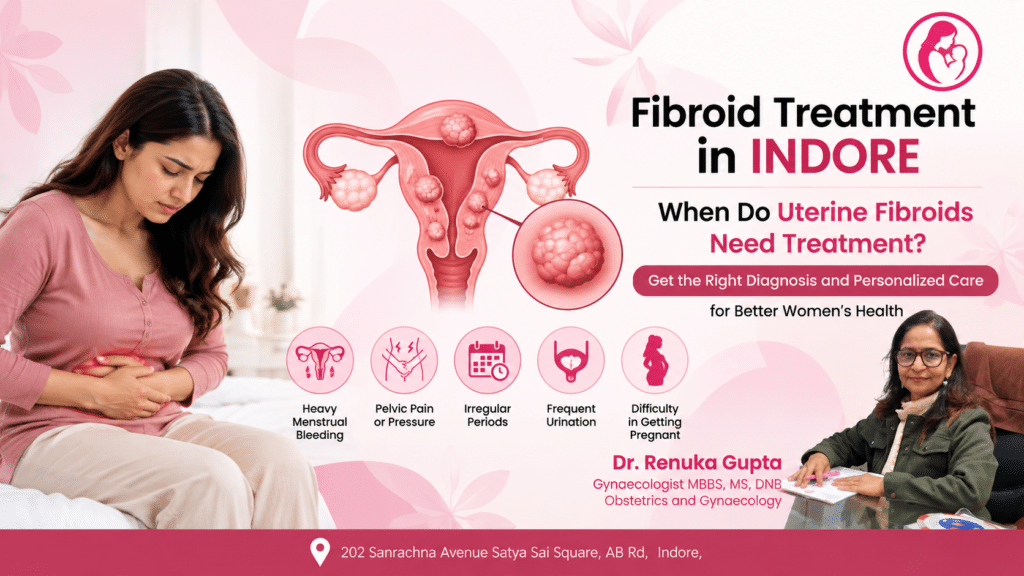
Fibroid Treatment in Indore: When Do Uterine Fibroids Need Treatment?

Uterine fibroids are common, non-cancerous growths that develop in or around the uterus. They can affect women during their reproductive years and may cause symptoms such as heavy menstrual bleeding, pelvic pain, abdominal pressure, and frequent urination. While some women experience no symptoms, others may require medical evaluation and treatment depending on the size, number, and location of the fibroids. If you are searching for Fibroid Treatment in Indore, understanding the symptoms and available treatment options can help you make informed decisions about your health. Early evaluation can help determine whether fibroids require monitoring, medication, or a procedure. Consulting the Best Gynaecologist in Nipania, Indore can help you understand your condition and explore suitable treatment options. Dr. Renuka Gupta at Her Wellness Clinic provides women’s healthcare services, including gynecological consultations. An individual assessment is important because not every uterine fibroid requires immediate treatment. What Are Uterine Fibroids? Uterine fibroids, also called leiomyomas, are non-cancerous growths that develop from the muscle tissue of the uterus. They can vary in size, from very small growths to larger masses that may affect the shape of the uterus. Fibroids are generally classified according to their location: Intramural fibroids: Develop within the muscular wall of the uterus. Submucosal fibroids: Grow towards the inner cavity of the uterus and may contribute to heavy menstrual bleeding or fertility problems. Subserosal fibroids: Grow towards the outer surface of the uterus and may cause pressure symptoms when large. Women considering Fibroid Treatment in Indore should know that treatment depends on the fibroid’s location, size, symptoms, age, and pregnancy plans. A gynecological evaluation helps determine whether the fibroids need treatment or regular monitoring. Common Symptoms of Uterine Fibroids Some women have fibroids without experiencing noticeable symptoms. Others may develop symptoms that affect their daily routines and overall well-being. Common symptoms include: Heavy or prolonged menstrual bleeding. Painful periods or pelvic discomfort. A feeling of fullness or pressure in the lower abdomen. Frequent urination or difficulty emptying the bladder. Constipation or pressure on the bowel. Lower back pain in some cases. Difficulty conceiving or certain pregnancy complications in selected cases. Heavy menstrual bleeding may lead to iron-deficiency anaemia, causing fatigue, weakness, or dizziness. If you experience persistent symptoms, consulting a Fibroid Doctor in Indore can help identify the underlying cause and determine whether the symptoms are related to fibroids or another gynecological condition. What Causes Uterine Fibroids? The exact cause of uterine fibroids is not fully understood. However, several factors may influence their development. Hormonal factors: Oestrogen and progesterone play a role in fibroid growth. Family history: Women with close relatives who have had fibroids may have a higher likelihood of developing them. Age: Fibroids are more commonly diagnosed during the reproductive years. Other biological factors: Genetic changes and growth factors involved in uterine tissue development may contribute to fibroid formation. Having one or more risk factors does not mean a woman will necessarily develop fibroids. A consultation with the Best Gynaecologist in Nipania, Indore can help assess symptoms and determine which investigations may be appropriate. How Are Uterine Fibroids Diagnosed? Diagnosis generally begins with a discussion of your menstrual history, symptoms, medical history, and reproductive plans. A doctor may also perform a physical examination when appropriate. Investigations may include: Pelvic ultrasound: Helps identify fibroids and assess their size, number, and location. MRI: May be recommended when more detailed information is required for treatment planning. Blood tests: A complete blood count may be advised if heavy bleeding suggests anaemia. Additional investigations: Selected cases may require further assessment to investigate other causes of abnormal bleeding. Not every patient needs every test. A Fibroid Doctor in Indore can recommend investigations based on your symptoms and examination findings. Accurate diagnosis is an important step in deciding whether treatment is necessary and which option may be most appropriate. Fibroid Treatment in Indore: When Is Treatment Necessary? Not all uterine fibroids need immediate treatment. Small fibroids that do not cause symptoms may only require periodic monitoring, depending on the clinical findings. Treatment may be recommended when fibroids cause: Heavy menstrual bleeding or anaemia. Persistent pelvic pain or pressure. Frequent urination or bowel-related symptoms. Significant discomfort that affects daily life. Fertility concerns or pregnancy-related complications in selected cases. Changes that require further medical assessment. The decision about Fibroid Treatment in Indore depends on symptom severity, fibroid location, age, general health, and whether you plan to have children in the future. A gynecologist can explain the potential benefits and limitations of each option and help you make a decision based on your individual needs. Available Treatment Options for Uterine Fibroids 1. Monitoring and Regular Follow-Up Women who have small fibroids without significant symptoms may not need immediate treatment. Periodic assessment can help monitor symptoms and determine whether further evaluation is necessary. 2. Medication Certain medicines can help manage heavy menstrual bleeding, pain, or other symptoms. Some hormonal treatments may temporarily reduce fibroid-related symptoms or size, depending on the medicine used. Medication does not suit every patient, and some treatments have limitations or side effects. A doctor should recommend treatment based on your medical history and reproductive goals. 3. Minimally Invasive Procedures Certain patients may be suitable for procedures such as uterine artery embolization or other minimally invasive treatments. Availability and suitability depend on the fibroid characteristics, symptoms, and future pregnancy plans. A specialist can explain the potential benefits, risks, and alternatives before recommending a procedure. 4. Myomectomy Myomectomy is a surgical procedure that removes fibroids while preserving the uterus. It may be considered for women with significant symptoms or selected fertility-related concerns. The surgical approach depends on the size, number, and location of fibroids. 5. Hysterectomy Hysterectomy involves removing the uterus and is a definitive treatment for uterine fibroids. It may be considered for severe symptoms when other suitable options are ineffective or inappropriate and when future pregnancy is not desired. The decision requires careful discussion of benefits, risks, alternatives, and recovery. Choosing Fibroid Treatment in Indore should involve understanding all appropriate options rather than assuming that

Uncategorized

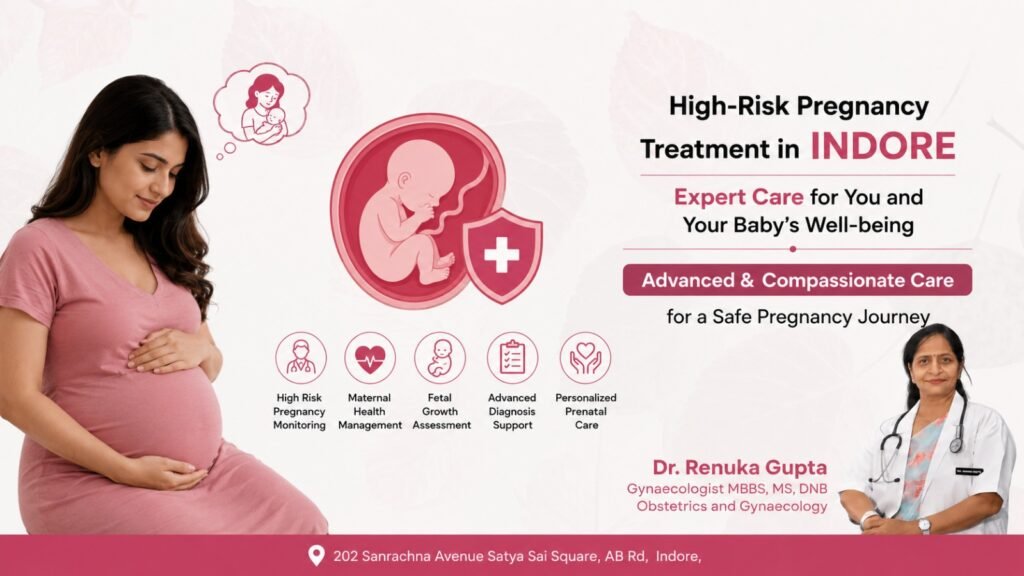
High-Risk Pregnancy Treatment in Indore – Expert Care by Dr. Renuka Gupta

High-Risk Pregnancy Treatment in Indore is essential for mothers who require specialized medical attention during pregnancy. While every pregnancy is unique, some women face health conditions that increase the risk of complications for both the mother and the baby. Early diagnosis, regular prenatal check-ups, and expert medical care can help ensure a safe pregnancy and healthy delivery. If you are looking for the Best Gynecologist in Indore, Dr. Renuka Gupta provides comprehensive pregnancy care with a personalized approach. As a trusted Best Gynaecologist in Vijay Nagar Indore, she specializes in managing high-risk pregnancies with advanced monitoring, timely treatment, and compassionate care to support both mother and baby throughout the pregnancy journey. About Dr. Renuka Gupta – Best Gynecologist in Indore Dr. Renuka Gupta is a trusted obstetrician and Best Gynecologist in Indore, known for providing compassionate and personalized care for women at every stage of life. She specializes in pregnancy care, including the management of high-risk pregnancies, antenatal check-ups, and safe delivery planning. Patients across Indore rely on her expertise for accurate diagnosis, advanced treatment, and dedicated support to ensure the health and well-being of both mother and baby. High-Risk Pregnancy Treatment in Indore – What Is a High-Risk Pregnancy? A high-risk pregnancy is one in which the mother or baby has an increased chance of developing health complications before, during, or after childbirth. Factors such as maternal age, medical conditions, previous pregnancy complications, or multiple pregnancies can increase these risks. With proper High-Risk Pregnancy Treatment in Indore, most women can have a healthy pregnancy and deliver safely under expert medical supervision. Best Gynaecologist in Vijay Nagar Indore – Who Needs High-Risk Pregnancy Care? Some women may require extra care and regular monitoring during pregnancy due to certain health conditions or previous complications. Dr. Renuka Gupta, Best Gynaecologist in Vijay Nagar Indore, helps identify pregnancy risks early and provides personalized care to support a safe pregnancy journey. High-risk pregnancy care may be needed for women with pregnancy after 35, high blood pressure, diabetes, thyroid problems, twin or multiple pregnancy, IVF pregnancy, previous miscarriage, premature delivery, or existing heart and kidney disorders. With expert guidance, regular check-ups, and timely treatment, Dr. Renuka Gupta ensures better care for both mother and baby throughout pregnancy. High-Risk Pregnancy Treatment in Indore – Signs You Should Never Ignore Ignoring these warning signs may lead to serious complications. Timely High-Risk Pregnancy Treatment in Indore can help protect both mother and baby. Contact your doctor immediately if you experience: Heavy vaginal bleeding Severe abdominal pain Persistent headache Blurred vision Swelling of the face or hands Reduced baby movements High fever Fluid leakage before labor Best Gynecologist in Indore – Common Causes of High-Risk Pregnancy A high-risk pregnancy may occur due to certain medical conditions or previous pregnancy concerns. The Best Gynecologist in Indore provides proper evaluation and personalized care to manage these risks effectively. Common causes include: Gestational Diabetes: High blood sugar during pregnancy can affect mother and baby’s health and needs regular monitoring. High Blood Pressure: Pregnancy-related hypertension can increase complications and requires timely treatment. Preeclampsia: A serious condition involving high blood pressure that needs expert medical supervision. Placenta Previa: Abnormal placement of the placenta may cause bleeding and requires careful monitoring. Obesity: Excess weight can increase the risk of diabetes, hypertension, and delivery complications. Previous C-Section: Women with a past Caesarean delivery may need special pregnancy care and delivery planning. High-Risk Pregnancy Treatment in Indore – Diagnosis and Pregnancy Monitoring Proper diagnosis helps detect complications at an early stage. Regular monitoring allows doctors to take timely action whenever necessary. Your doctor may recommend: Routine blood tests Blood pressure monitoring Blood sugar screening Ultrasound scans Doppler ultrasound Fetal growth assessment Non-Stress Test (NST) Urine investigations Best Gynaecologist in Vijay Nagar Indore – Treatment Options for High-Risk Pregnancy The treatment for a high-risk pregnancy depends on the mother’s health condition, pregnancy stage, and the baby’s growth. The Best Gynaecologist in Vijay Nagar Indore provides personalized care and creates a treatment plan to ensure a safe pregnancy journey. Treatment may include: Regular Prenatal Check-ups: Frequent visits help monitor the mother’s health and the baby’s development. Healthy Lifestyle Guidance: Proper diet, exercise, and lifestyle changes help support a healthy pregnancy. Blood Sugar and Blood Pressure Management: Regular monitoring helps control diabetes and high blood pressure during pregnancy. Medications When Required: Doctors may prescribe safe medicines to manage specific pregnancy-related conditions. Fetal Monitoring: Ultrasound and other tests help track the baby’s growth and overall well-being. Hospital Observation: In some cases, close monitoring in a hospital may be recommended for safety. Planned Delivery: Doctors decide the safest delivery method based on the health of both mother and baby. With expert care from the Best Gynaecologist in Vijay Nagar Indore, every high-risk pregnancy receives a customized treatment approach based on individual needs, ensuring better outcomes for both mother and baby. Why Choose Dr. Renuka Gupta for High-Risk Pregnancy Treatment in Indore? Choosing the right doctor is important for a safe and healthy pregnancy journey. Dr. Renuka Gupta provides expert and personalized care for mothers requiring High-Risk Pregnancy Treatment in Indore. She focuses on regular antenatal monitoring, early detection of complications, and proper management of pregnancy-related concerns to ensure the best possible care for both mother and baby. With her compassionate approach, advanced pregnancy care, and dedication to patient safety, Dr. Renuka Gupta is trusted by many women as the Best Gynecologist in Indore for high-risk pregnancy management and complete maternity care. Benefits of Early High-Risk Pregnancy Treatment in Indore Starting High-Risk Pregnancy Treatment in Indore at the right time helps doctors identify risks early and provide better care throughout pregnancy. Regular monitoring and timely treatment can improve the chances of a safe delivery and a healthy baby. Early Detection of Complications: Regular check-ups help identify pregnancy-related problems at an early stage. Better Maternal Health: Proper medical guidance helps manage health conditions and keeps the mother healthy. Improved Baby Growth Monitoring: Doctors can closely track the baby’s growth and development. Lower Risk

Uncategorized

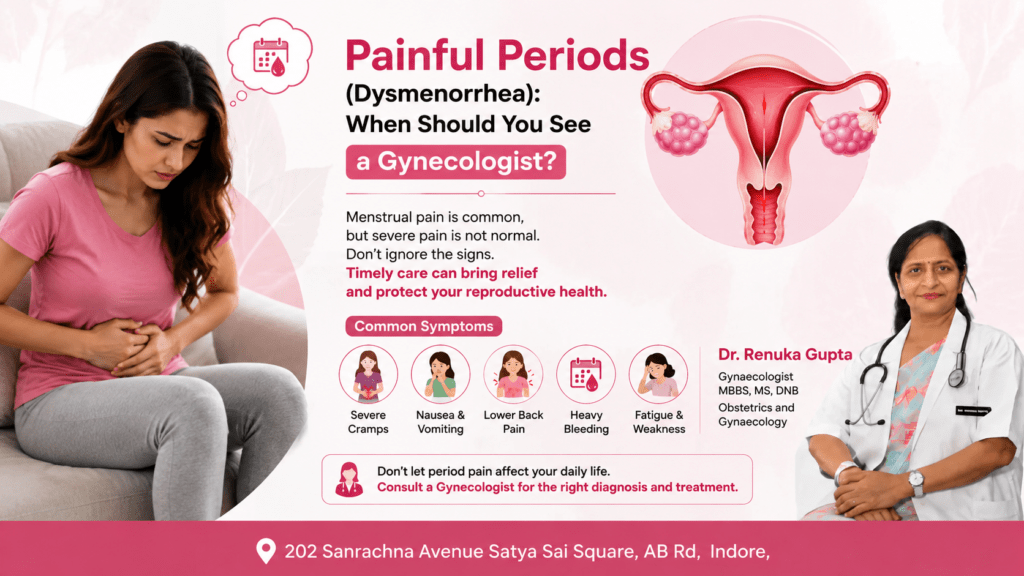
Painful Periods (Dysmenorrhea): When Should You See a Gynecologist? – Dr. Renuka Gupta

Painful Periods (Dysmenorrhea) are one of the most common menstrual problems experienced by women. While mild cramping during periods is considered normal, severe menstrual pain that interferes with work, studies, sleep, or daily activities should never be ignored. If your periods are becoming more painful every month or the pain lasts for several days, it may be a sign of an underlying gynecological condition that requires expert medical evaluation. Women looking for the Best Gynecologist in Indore often consult Dr. Renuka Gupta, an experienced gynecologist with over 15 years of expertise in women’s healthcare. At Her Wellness Clinic, she provides comprehensive diagnosis and advanced treatment for painful periods, PCOS, fibroids, endometriosis, infertility, menopause, and other gynecological disorders. Her patient-friendly approach and personalized treatment plans have made her one of the trusted names in women’s healthcare in Indore. Best Gynecologist in Indore for Painful Periods (Dysmenorrhea) When menstrual pain starts affecting your quality of life, consulting an experienced gynecologist becomes important. Many women ignore severe period pain assuming it is a normal part of menstruation. However, persistent or worsening pain may indicate conditions such as endometriosis, uterine fibroids, adenomyosis, ovarian cysts, or pelvic inflammatory disease. Dr. Renuka Gupta is widely recognized as one of the Best Gynecologists in Indore for diagnosing and treating menstrual disorders. At Her Wellness Clinic, every patient undergoes a detailed evaluation to identify the exact cause of painful periods before beginning treatment. Patients choose Dr. Renuka Gupta because she offers: Over 15 years of gynecology experience Personalized treatment for menstrual disorders Advanced diagnosis using modern investigations Treatment for PCOS, fibroids, endometriosis, infertility, and hormonal disorders Ethical, compassionate, and patient-focused care Modern gynecological and laparoscopic treatment options Her goal is not only to reduce pain but also to improve long-term reproductive health and overall well-being. About Dr. Renuka Gupta – Experienced Gynecologist in Indore Dr. Renuka Gupta is a highly respected Gynecologist and Obstetrician in Indore, holding qualifications including MBBS, MS (OBG), and DNB. With over 15 years of clinical experience, she has successfully treated thousands of women with a wide range of gynecological and obstetric conditions. At Her Wellness Clinic, she specializes in: Painful Periods (Dysmenorrhea) PCOS & PCOD Irregular Menstrual Cycles Infertility Treatment High-Risk Pregnancy Menopause Care Fibroids & Ovarian Cysts Laparoscopic Gynecological Surgery Her compassionate approach, ethical medical practice, and commitment to women’s health have earned her the trust of patients across Indore. She believes in explaining every condition in simple language and creating treatment plans that are tailored to each patient’s individual needs. What Are Painful Periods (Dysmenorrhea)? Painful Periods (Dysmenorrhea) refer to severe cramping or pain in the lower abdomen that occurs before or during menstruation. The pain may also spread to the lower back, hips, or thighs and can significantly affect daily life. There are two types of dysmenorrhea: Primary Dysmenorrhea Primary dysmenorrhea occurs without any underlying disease. It is caused by natural uterine contractions triggered by prostaglandins during menstruation. The pain usually begins during adolescence and may improve with age or after childbirth. Secondary Dysmenorrhea Secondary dysmenorrhea develops because of an underlying gynecological condition such as: Endometriosis Uterine Fibroids Adenomyosis Pelvic Inflammatory Disease (PID) Ovarian Cysts Congenital abnormalities of the uterus This type of menstrual pain often becomes more severe over time and requires medical evaluation and treatment. Common Symptoms of Painful Periods Women with dysmenorrhea may experience: Severe lower abdominal cramps Lower back pain Pain radiating to the thighs Heavy menstrual bleeding Nausea and vomiting Diarrhea Headache Fatigue Dizziness Difficulty performing daily activities If these symptoms become increasingly severe or occur every month, it is important to consult an experienced gynecologist for proper diagnosis and treatment. Causes of Painful Periods (Dysmenorrhea) – Best Gynecologist in Indore Painful Periods (Dysmenorrhea) can occur for several reasons. While many women experience mild menstrual cramps, severe or persistent pain often indicates an underlying gynecological condition that requires expert evaluation. Identifying the exact cause helps provide effective treatment and prevents future complications. Some of the most common causes of painful periods include: Endometriosis Uterine Fibroids Adenomyosis Pelvic Inflammatory Disease (PID) Ovarian Cysts Hormonal Imbalance Increased Prostaglandin Levels Congenital Uterine Abnormalities Cervical Narrowing Stress and Lifestyle Factors Consulting an experienced Gynecologist in Indore helps determine the underlying reason behind severe menstrual pain and ensures timely treatment. When Should You See a Gynecologist for Painful Periods? Many women believe severe menstrual pain is normal and continue to suffer every month without seeking medical advice. However, certain symptoms should never be ignored. You should consult Dr. Renuka Gupta if: Menstrual pain is severe every month. Pain lasts longer than 2–3 days. Painkillers no longer provide relief. Heavy bleeding with large blood clots occurs. Pain interferes with work, studies, or daily life. Pain becomes worse with every menstrual cycle. You experience pain during sexual intercourse. Fever or unusual vaginal discharge accompanies period pain. You are planning pregnancy but have severe menstrual pain. Early diagnosis helps identify conditions like endometriosis, fibroids, or adenomyosis before they become more serious. Diagnosis of Painful Periods – Dr. Renuka Gupta Accurate diagnosis is essential before starting treatment. Dr. Renuka Gupta performs a comprehensive evaluation to identify the exact cause of dysmenorrhea and recommend the most suitable treatment plan. Diagnosis may include: Detailed menstrual history Physical examination Pelvic examination Ultrasound Scan Hormonal Blood Tests Pap Smear (when indicated) MRI Scan (if required) Diagnostic Laparoscopy for suspected Endometriosis Early diagnosis allows women to receive effective treatment before complications affect fertility or overall reproductive health. Advanced Painful Period Treatment in Indore Painful Period Treatment in Indore depends on the underlying cause, severity of symptoms, age, and future pregnancy plans. At Her Wellness Clinic, Dr. Renuka Gupta offers personalized treatment aimed at relieving pain and improving long-term women’s health. Treatment options include: Medication Medicines may be prescribed to reduce pain, inflammation, or regulate hormonal imbalance depending on the patient’s condition. Hormonal Therapy Hormonal treatment may help reduce menstrual pain associated with conditions like endometriosis or adenomyosis. Lifestyle Modification Simple lifestyle changes can help reduce menstrual discomfort: Regular

Uncategorized

Struggling to Conceive with PCOS? Delaying Treatment Could Reduce Your Chances of Pregnancy – Advanced Infertility Treatments in Indore

Trying for a Baby but Pregnancy Isn’t Happening? PCOS Could Be the Hidden Reason You have been trying to conceive for months, maybe even years. Every month begins with hope and ends with disappointment. Friends and relatives keep asking when you are planning a baby. Social media is filled with pregnancy announcements, while you continue to wait for your positive pregnancy test. At the same time, your periods are irregular. Sometimes they come after 40 or 50 days. Sometimes they don’t come at all. You may have gained weight despite dieting, developed stubborn acne, or noticed unwanted facial hair growth. Many women across Vijay Nagar, Satya Sai, Bengali Square, Scheme 54, Mahalaxmi Nagar, and other parts of Indore experience these symptoms without realizing they may be suffering from PCOS (Polycystic Ovary Syndrome). PCOS is one of the most common causes of female infertility. The good news is that with timely diagnosis and proper treatment, many women with PCOS successfully conceive and deliver healthy babies. Unfortunately, delaying treatment often makes the journey more difficult. Why Ignoring PCOS Can Make Pregnancy More Difficult One of the biggest mistakes many women make is assuming that irregular periods are normal and that pregnancy will happen naturally with time. While some women do conceive naturally, untreated PCOS can create several fertility challenges. Ovulation May Stop Occurring Regularly Pregnancy requires the release of a healthy egg every month. PCOS frequently disrupts ovulation, making conception difficult. Hormonal Imbalance Can Worsen As PCOS progresses, hormonal disturbances can become more severe, affecting fertility and reproductive health. Weight Gain May Increase Many women with PCOS struggle with insulin resistance, making weight management difficult and further impacting fertility. Risk of Pregnancy Complications May Rise Untreated PCOS has been linked with increased risks during pregnancy, including gestational diabetes and high blood pressure. Fertility Naturally Declines With Age The longer fertility treatment is delayed, the greater the impact of age on egg quality and pregnancy chances. Emotional Stress Continues to Grow Repeated disappointment can affect confidence, relationships, and mental well-being. This is why fertility specialists recommend early evaluation instead of waiting indefinitely. Meet Dr. Renuka Gupta – Trusted PCOS & Infertility Specialist in Indore When couples struggle to conceive, choosing the right fertility expert can make a significant difference. Dr. Renuka Gupta, one of the most trusted Gynecologists and Obstetricians in Indore, has over 15 years of experience in women’s healthcare, infertility management, pregnancy care, and PCOS treatment. At Her Wellness Clinic, Indore, Dr. Renuka Gupta provides comprehensive evaluation and personalized treatment for women facing: PCOS Infertility Irregular periods Recurrent miscarriages Hormonal imbalance High-risk pregnancy Ovulation disorders Her patient-centered approach focuses on identifying the root cause of fertility issues and creating customized treatment plans that improve pregnancy outcomes. Women from Vijay Nagar, Satya Sai, Bengali Square, Rau, Scheme 54, Scheme 78, and nearby areas frequently consult Dr. Renuka Gupta for fertility-related concerns. What Exactly Is PCOS? PCOS or Polycystic Ovary Syndrome is a hormonal condition that affects the normal functioning of the ovaries. In a healthy menstrual cycle, a mature egg develops and is released every month. In women with PCOS, hormonal imbalance interferes with this process. The ovaries may develop multiple immature follicles, preventing regular ovulation. Without regular ovulation, conception becomes difficult. PCOS affects fertility, menstrual cycles, metabolism, and overall reproductive health. Signs That PCOS May Be Affecting Your Fertility Many women do not realize they have PCOS until they start trying for pregnancy. Irregular Menstrual Cycles Periods occurring every 40–60 days or longer. Missed Periods Some women may skip periods entirely for several months. Difficulty Conceiving One of the most common reasons patients seek fertility treatment. Weight Gain Particularly around the abdomen. Excess Facial Hair Hormonal imbalance may cause increased hair growth on the face, chin, or chest. Acne and Oily Skin Persistent acne can be a sign of elevated androgen levels. Hair Thinning Some women experience scalp hair loss or thinning. Ultrasound Findings Multiple small ovarian follicles may be visible during evaluation. If you experience several of these symptoms together, fertility assessment should not be delayed. When Should You Consult an Infertility Specialist in Indore? Many couples wait too long before seeking help. You Are Under 35 and Have Been Trying for More Than One Year Without successful conception. You Are Above 35 and Have Been Trying for More Than Six Months Earlier evaluation is recommended. Your Periods Are Highly Irregular This often indicates ovulation issues. You Have Already Been Diagnosed With PCOS Regular monitoring and fertility planning are important. You Have Experienced Repeated Miscarriages Further investigation may be required. Previous Fertility Treatments Have Failed A specialized evaluation can help identify underlying issues. Early intervention often improves treatment success rates. How Does Dr. Renuka Gupta Diagnose PCOS-Related Infertility? At Her Wellness Clinic, Indore, fertility evaluation involves understanding the complete picture rather than focusing on symptoms alone. Detailed Medical History Assessment of menstrual patterns, previous pregnancies, lifestyle factors, and fertility history. Hormonal Evaluation Testing reproductive and metabolic hormone levels. Pelvic Ultrasound Assessment of ovarian health and reproductive organs. Ovulation Monitoring Tracking follicle development and ovulation. Fertility Assessment Evaluation of all factors that may influence conception. This thorough approach helps create a treatment plan tailored to each patient. Advanced Infertility Treatments in Indore for Women With PCOS The best treatment depends on age, fertility goals, hormonal profile, and overall health. Lifestyle and Weight Management Even modest weight loss can improve ovulation and fertility in many women. Treatment may include: Nutritional guidance Exercise recommendations Lifestyle modification Ovulation Induction Specialized medications may help stimulate ovulation. Follicular Monitoring Regular ultrasound monitoring helps identify the most fertile period. Hormonal Management Balancing hormones can improve menstrual regularity and reproductive function. Pregnancy Planning Individualized fertility strategies based on each patient’s goals and medical history. Advanced Fertility Solutions When required, additional fertility treatments may be recommended after comprehensive evaluation. The objective is always to maximize pregnancy chances while ensuring patient safety. Can Women With PCOS Get Pregnant Naturally? Yes. Many women with PCOS successfully conceive naturally after proper

Illustration showing recurrent UTI in perimenopausal women with a woman experiencing abdominal pain, urinary system diagram, and Dr. Renuka Gupta Gynecologist in Indore explaining causes, symptoms, treatment, and prevention.
Uncategorized

Recurrent UTI in Perimenopausal Women: Causes, Symptoms, Treatment and Prevention

Many women entering their 40s and early 50s start experiencing repeated urine infections along with hormonal changes. Recurrent UTI is one of the most common yet ignored health problems during perimenopause. Women searching for recurrent UTI treatment in indore often complain about burning urination, frequent urge to pass urine, discomfort, and infections that keep returning even after medication. According to Dr Renuka Gupta Gynecologist in indore, hormonal changes during perimenopause can make women more vulnerable to repeated urinary tract infections if proper care and treatment are not taken in time.

Pap smear test illustration showing cervix model explained by Dr Renuka Gupta Gynecologist in Vijay Nagar Indore for cervical cancer screening awareness
Uncategorized

Pap Smear Test: A Simple Step That Can Save Your Life

Women often take care of everyone around them but forget to take care of their own health. One of the most important yet ignored tests for women is the Pap smear test in indore. This simple screening test can help detect serious health issues at an early stage and even prevent cervical cancer. If you are someone who has never heard about it or keeps delaying it, this blog will explain everything in very easy language. Experts like Dr Renuka Gupta Gynecologist in vijay nagar indore always recommend regular screening for better health and long life. What is a Pap Smear Test? A Pap smear test in indore is a medical test used to check if there are any abnormal or unhealthy cells in the cervix. The cervix is the lower part of the uterus that connects to the vagina. This test helps in identifying early changes in the cells before they turn into cancer. That is why doctors like Dr Renuka Gupta Gynecologist in vijay nagar indore strongly advise women to include this test in their regular health checkups. Why Every Woman Should Take This Test Seriously Many serious diseases don’t show symptoms in the early stages, and cervical cancer is one of them. By the time symptoms appear, the condition may already be advanced. This is why a Pap smear test in indore becomes very important. Here’s why: It detects problems early It helps prevent cervical cancer It is simple and quick It gives you peace of mind Regular screening suggested by Dr Renuka Gupta Gynecologist in vijay nagar indore can reduce the chances of developing cervical cancer by a large margin. What is Cervical Cancer? Cervical cancer happens when abnormal cells grow in the cervix and start spreading. It is one of the most common cancers in women, but the good news is that it is highly preventable. With regular Pap smear test in indore, early signs can be detected and treated on time. Doctors like Dr Renuka Gupta Gynecologist in vijay nagar indore focus on early diagnosis because it increases the chances of complete recovery. Who Should Get a Pap Smear Test? A Pap smear test in indore is recommended for almost every woman after a certain age. You should get tested if: You are between 21 to 65 years You are sexually active You have irregular periods or bleeding You have a history of HPV infection Even if you feel completely healthy, routine checkups advised by Dr Renuka Gupta Gynecologist in vijay nagar indore are important. Step-by-Step Process of the Test Many women avoid this test because they feel scared or uncomfortable. But in reality, it is a very simple process. Here’s what happens during a Pap smear test in indore: You lie comfortably on an examination table A small instrument is used to gently open the vaginal area The doctor collects a small sample of cervical cells The sample is sent to the lab for testing The entire process takes just a few minutes. According to Dr Renuka Gupta Gynecologist in vijay nagar indore, the discomfort is minimal and temporary. Does the Test Hurt? This is one of the most common questions. A Pap smear test in indore is generally not painful. You may feel: Slight pressure Mild discomfort But it is over very quickly. Doctors like Dr Renuka Gupta Gynecologist in vijay nagar indore ensure that the patient feels comfortable during the procedure. Best Time to Take a Pap Smear Test Timing plays an important role in getting accurate results. Ideal time: After 10–20 days of your menstrual cycle Avoid: During periods After intercourse During vaginal infections For proper guidance, you can consult Dr Renuka Gupta Gynecologist in vijay nagar indore before booking your Pap smear test in indore. How Often Should You Get Tested? The frequency of a Pap smear test in indore depends on your age and health condition. General recommendation: 21–29 years: Every 3 years 30–65 years: Every 3–5 years However, if you have any health issues, Dr Renuka Gupta Gynecologist in vijay nagar indore may suggest more frequent testing. Warning Signs You Should Not Ignore Even though a Pap smear test in indore helps in early detection, you should watch for symptoms such as: Bleeding between periods Pain during intercourse Unusual discharge Pelvic pain If you notice any of these, consult Dr Renuka Gupta Gynecologist in vijay nagar indore immediately. What is HPV and Its Role? HPV (Human Papillomavirus) is a common virus that spreads through physical contact. Some types of HPV can cause cervical cancer. A Pap smear test in indore helps in detecting cell changes caused by HPV. Doctors like Dr Renuka Gupta Gynecologist in vijay nagar indore may also suggest HPV vaccination for prevention. Benefits of Regular Pap Smear Testing There are many benefits of getting a Pap smear test in indore regularly: Early detection of cancer Prevention of serious complications Better treatment outcomes Reduced medical expenses Regular visits to Dr Renuka Gupta Gynecologist in vijay nagar indore can help maintain your reproductive health. Common Myths vs Facts Myth: It is painful Fact: It is quick and mostly painless Myth: Only married women need it Fact: Any sexually active woman should get tested Myth: I feel fine, so I don’t need it Fact: Early stages show no symptoms Experts like Dr Renuka Gupta Gynecologist in vijay nagar indore encourage women to break these myths. How to Prepare for the Test Before going for a Pap smear test in indore, follow these simple tips: Avoid intercourse 1–2 days before the test Do not use vaginal products Schedule when you are not on your period These steps, recommended by Dr Renuka Gupta Gynecologist in vijay nagar indore, help in getting accurate results. What Happens After the Test? After your Pap smear test in indore: You can go back to normal activities Results usually come within a few days Your doctor will guide you based on the report If needed, Dr Renuka Gupta Gynecologist in vijay nagar indore

Scroll to Top