Why Vaccination Matters During Pregnancy
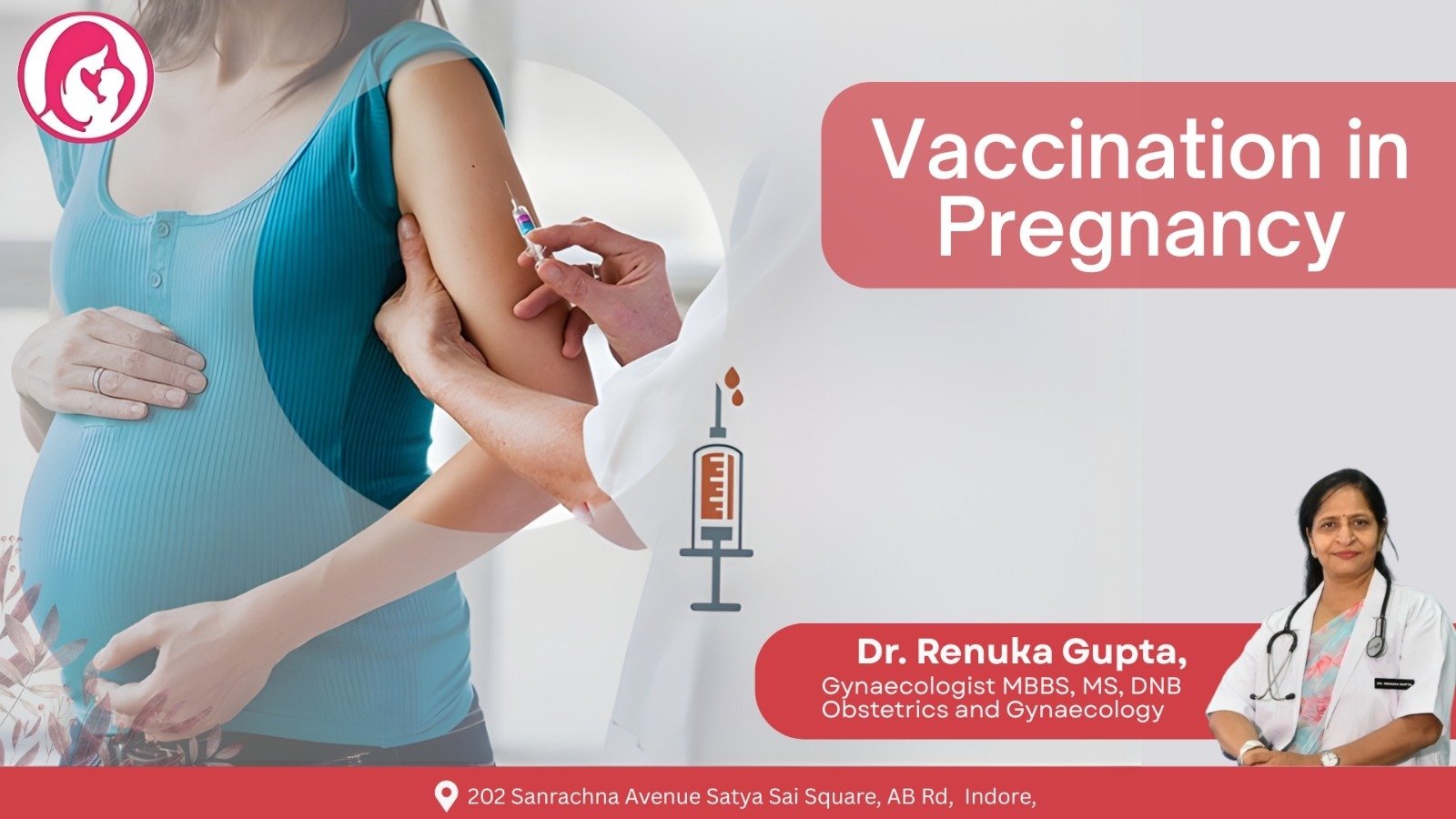
Pregnancy is a phase filled with expectations and responsibilities, especially when it comes to safeguarding the health of the mother and her growing baby. Many women ask why vaccines are necessary during pregnancy when they have been healthy most of their lives. The reason lies in the natural immune changes that occur during pregnancy, making expectant mothers more prone to infections. During my practice as gynecologist in indore, I have consistently seen how preventive care gives mothers greater confidence throughout their pregnancy. When I explain the role of pregnancy vaccination in indore, many concerns fade because mothers realize that vaccination is one of the safest ways to protect both themselves and their babies from avoidable complications.
Understanding the Importance of Maternal Immunity Transfer
A mother’s immune system not only protects her but also provides the first line of defense for her newborn. When a pregnant woman receives vaccines, her body develops antibodies that cross the placenta and safeguard the baby after birth. This natural transfer is especially important during the initial months when the infant is too small to receive several vaccines. In families living in the vijay nagar area, I have observed that babies whose mothers follow vaccination schedules fall sick less often during infancy. The power of maternal immunity becomes even more evident when mothers understand that pregnancy vaccination in indore helps bridge the immunity gap until the baby begins receiving its own vaccines.
Recommended Vaccines During Pregnancy
Several vaccines have been carefully studied and approved for use during pregnancy because of their proven benefits. The influenza vaccine is one such essential vaccination, as flu-related complications can be more severe during pregnancy. The Tdap vaccine, which protects against tetanus, diphtheria, and especially whooping cough, is another crucial addition to the pregnancy care timeline. In my role as a gyncecologist in vijay nagar indore, I frequently explain the importance of Tdap, particularly because newborns are highly vulnerable to whooping cough in the first few months of life. Women from different parts of indore often ask about Hepatitis B vaccination, which is recommended for mothers not previously immunized. Additionally, COVID-19 vaccination continues to remain relevant, offering protection against severe infection. These vaccines form a strong foundation for safer pregnancies and reflect the importance of timely pregnancy vaccination in indore as part of responsible prenatal care.
Vaccines to Avoid During Pregnancy
While certain vaccines are beneficial, some must be avoided during pregnancy due to safety concerns. Live vaccines such as Measles-Mumps-Rubella (MMR), Varicella (chickenpox), and the nasal spray form of the flu vaccine should not be administered while pregnant. These recommendations are based on extensive scientific data to ensure the mother’s and baby’s safety. Women visiting my clinic in the vijay nagar area often ask why these particular vaccines are restricted. I explain that live vaccines contain weakened viruses, which could potentially pose risks during pregnancy. When these vaccines are necessary, we plan them either before conception or after delivery. Giving mothers clear guidance helps them avoid confusion and highlights how important it is to follow a proper pregnancy vaccination timeline.
Addressing Common Myths and Fears About Pregnancy Vaccines
Many misconceptions circulating through social media, family conversations, and outdated beliefs often create unnecessary fear among pregnant women. Some believe vaccines may harm the fetus or cause complications, but these assumptions are not supported by medical evidence. In consultations across indore, I take time to clarify that recommended vaccines are thoroughly tested for safety in pregnancy. When such doubts are addressed directly by a trusted gyncecologist, mothers feel more confident about their choices. Misinformation can delay important steps, but when women understand how essential pregnancy vaccination truly is, they make more informed decisions that benefit both mother and baby.
How Vaccination Protects Newborn Health
One of the remarkable benefits of maternal vaccination is the early protection it offers newborns through antibody transfer. Babies are more susceptible to severe infections during the first few months because their immune systems are still maturing. I frequently discuss with mothers how influenza and whooping cough can be dangerous for newborns, but the right vaccinations taken during pregnancy significantly reduce the risks. In several cases within the vijay nagar area, newborns remained healthier because their mothers received timely pregnancy vaccination. This early immunity is a natural gift from mother to child and one that plays a significant role in shaping the baby’s health journey.
Side Effects and What Mothers Can Expect
Vaccines recommended during pregnancy generally have mild and short-lived side effects. Expectant mothers may experience slight fever, discomfort at the injection site, or tiredness. These reactions indicate that the body is building protection. During prenatal visits to gynecologist in indore, I reassure mothers that these side effects are normal and temporary. Serious adverse reactions are extremely rare. Having a supportive gyncecologist helps mothers feel calm and informed, particularly when they are undergoing pregnancy vaccination for the first time. Open communication and careful monitoring make the entire process safe and stress-free.
Modifying Vaccination Schedules When Necessary
Every pregnancy is unique, and there are situations where the vaccination schedule needs to be adjusted. Conditions such as high fever, severe allergies, or specific medical complications may require temporary postponement of certain vaccines. When such cases arise, personalized attention helps ensure that both mother and baby remain safe. Women living in different parts of indore appreciate when I explain how individualized planning works. A modified schedule does not mean missing vaccines; it simply ensures that they are administered at the safest possible time. This adaptable approach maintains the importance of pregnancy vaccination while aligning it with the mother’s medical condition.
The Role of Personalized Pregnancy Care
Prenatal care becomes more effective when tailored to meet the specific needs of each mother. Conversations about vaccination, diet, lifestyle, and medical conditions form the foundation of responsible maternal care. Over the years, I have observed that mothers who receive clear guidance about pregnancy vaccination in indore feel more prepared and protected. My experience across indore shows that timely communication reduces anxiety and improves adherence to vaccination schedules. This not only safeguards the mother but also ensures that the unborn baby receives the best possible start in life. As a gyncecologist in vijay nagar indore, I believe that personalized pregnancy care strengthens trust and leads to healthier outcomes for families.
Frequently Asked Questions (FAQs)
1. Are vaccines safe during pregnancy?
Yes, recommended vaccines such as Tdap, flu, and COVID-19 are safe and protect both the mother and the baby from preventable diseases.
2. When should the Tdap vaccine be taken?
The ideal time to take the Tdap vaccine is between 27–36 weeks of pregnancy for maximum antibody transfer.
3. Can vaccines cause miscarriage or affect the baby’s development?
No. Extensive research shows that recommended pregnancy vaccines do not increase the risk of miscarriage or developmental issues.
4. Which vaccines should be avoided while pregnant?
Live vaccines such as MMR, Varicella, and the nasal spray influenza vaccine should be avoided during pregnancy.
5. How do vaccines protect babies after birth?
Antibodies that the mother develops after vaccination pass to the baby naturally, offering strong early protection during the most vulnerable months.