As a fibroids surgeon in Indore, I have seen that many women live for years with symptoms like heavy bleeding or lower abdominal pain without knowing the real reason. Often, an ultrasound during a routine check-up reveals fibroids, and that’s when the questions begin — “What are fibroids? Are they dangerous? Will I need surgery?”
Hello, I am Dr. Renuka Gupta Gynecologist in Vijay Nagar Indore, and through this article, I want to explain everything about fibroids in a simple way so that every woman can understand what is happening inside her body.
What Are Fibroids?
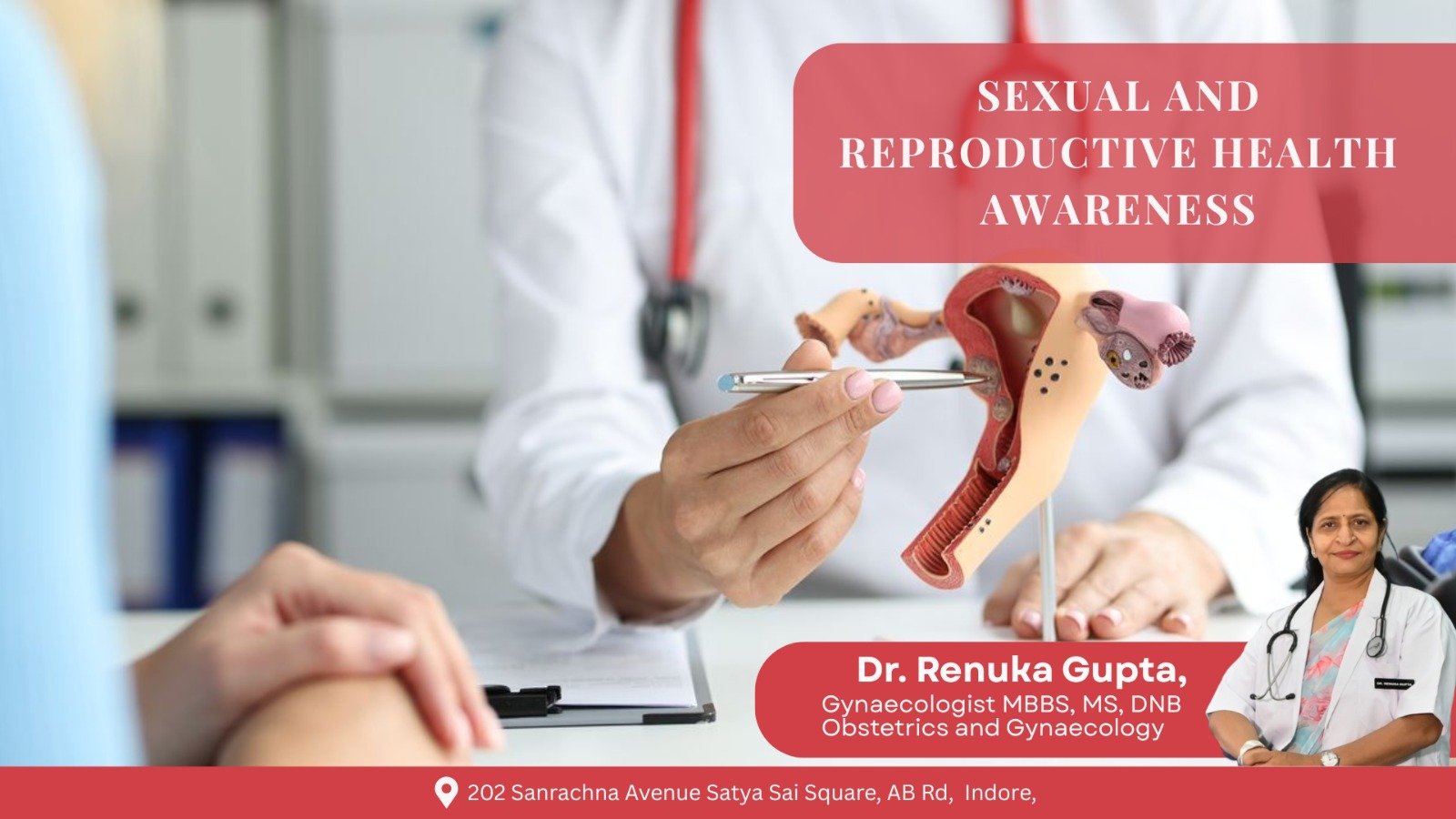
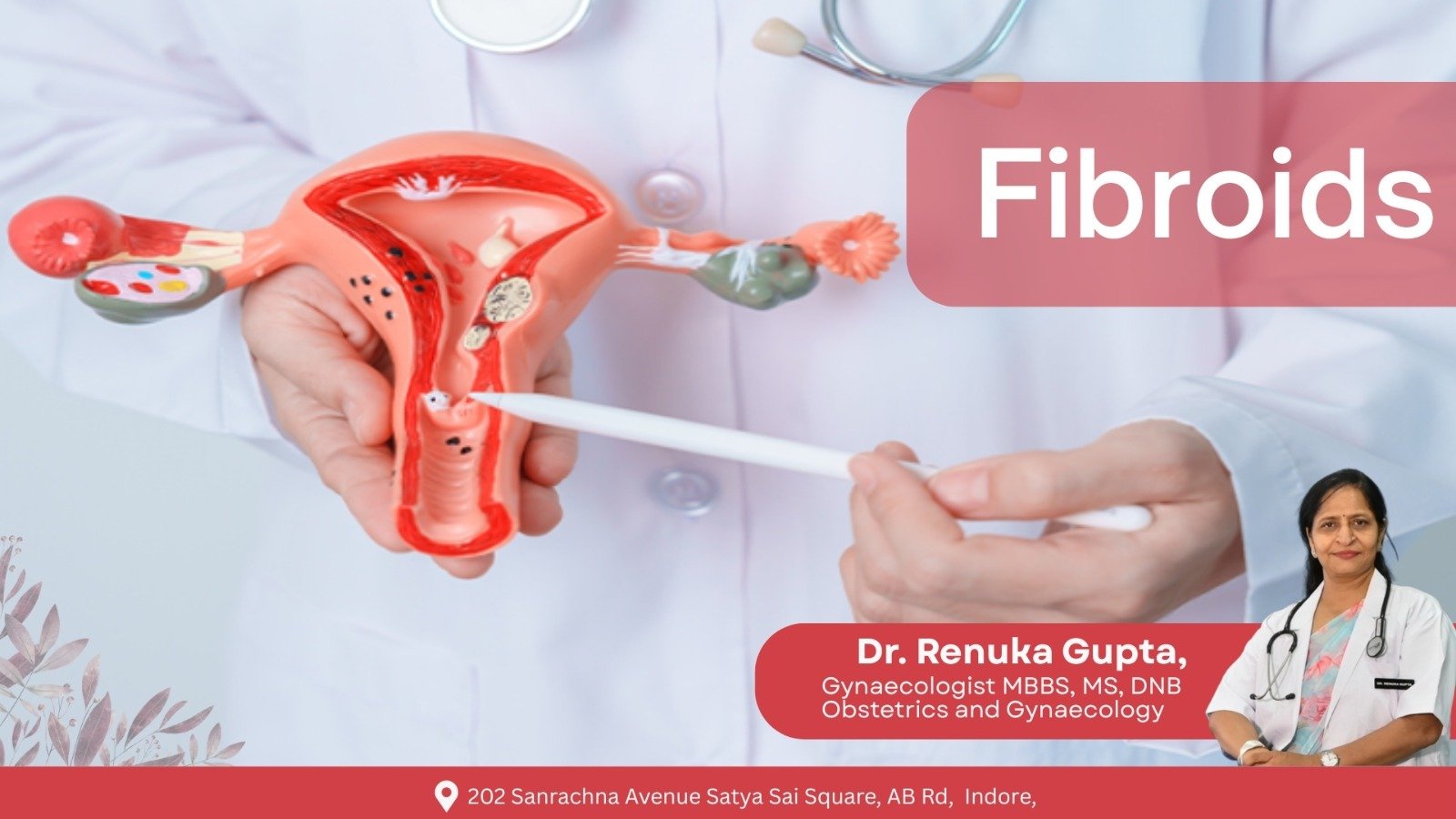
Fibroids are non-cancerous lumps that grow inside or on the wall of a woman’s uterus (womb). They are made up of muscle and fibrous tissue, the same kind of tissue that makes up the uterus itself.
You can imagine fibroids as small balls or knots that can grow in different parts of the uterus. They may be single or multiple and can vary greatly in size — from a tiny seed to as big as a melon.
Even though fibroids are not cancer, their size and position can sometimes cause discomfort, pain, or problems related to fertility and menstruation.
As a fibroids surgeon in Indore, I have seen fibroids that are completely harmless and don’t need any treatment, and I have also treated large fibroids that caused pain and excessive bleeding.
Types of Fibroids
Fibroids can grow in different parts of the uterus. The main types are:
-
Intramural fibroids – These are the most common and grow within the wall of the uterus.
-
Subserosal fibroids – These grow on the outer surface of the uterus and may press on nearby organs.
-
Submucosal fibroids – These grow inside the inner cavity of the uterus and can cause heavy bleeding and fertility issues.
-
Pedunculated fibroids – These are fibroids that grow on a stalk-like structure and can twist, causing pain.
Understanding which type you have helps your doctor decide the best treatment plan.
Causes of Fibroids
The exact cause of fibroids is not completely known, but several factors are believed to play a role.
1. Hormonal Factors
Fibroids tend to grow when the body has high levels of estrogen and progesterone — the hormones that control the menstrual cycle. This is why fibroids are more common in women during their reproductive years and often shrink after menopause.
2. Genetic Factors
Fibroids may run in families. If your mother, sister, or grandmother had fibroids, your chances increase.
3. Lifestyle and Weight
Being overweight or obese increases the risk of developing fibroids. Lack of exercise and eating too much processed or fatty food may also influence hormone levels that promote fibroid growth.
4. Early Menstruation
Starting periods at an early age can increase the duration of hormone exposure, which may slightly raise the chances of developing fibroids later in life.
5. Other Factors
Certain health conditions, vitamin D deficiency, and long-term stress may also contribute to fibroid growth.
As a fibroids surgeon in Indore, I often advise women that maintaining a balanced lifestyle — healthy eating, exercise, and stress control — plays a key role in preventing fibroid growth.
Symptoms of Fibroids
Not all fibroids cause symptoms. Many women never know they have them. But when symptoms do occur, they may include:
1. Heavy or Prolonged Periods
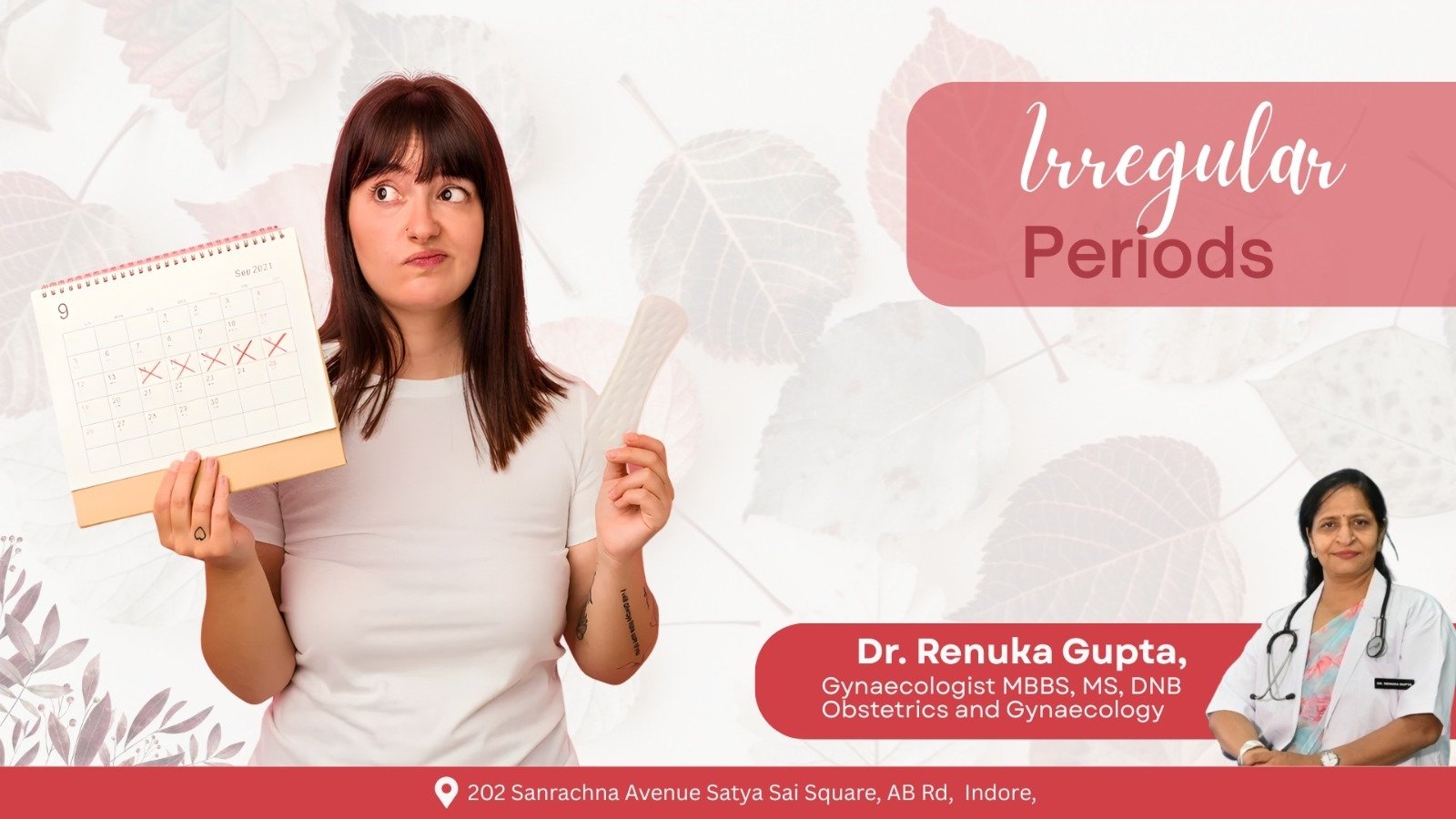
This is one of the most common signs. Some women bleed so heavily that they develop anemia (low hemoglobin), leading to weakness and fatigue.
2. Pelvic Pain or Pressure
Fibroids can cause a feeling of fullness, bloating, or pressure in the lower abdomen. Large fibroids may even make your belly look enlarged.
3. Pain During Periods or Intercourse
Fibroids near the lining of the uterus can make periods painful or cause discomfort during intercourse.
4. Frequent Urination or Constipation
Fibroids that press on the bladder can make you feel like urinating often, while those pressing on the rectum can cause constipation.
5. Difficulty Getting Pregnant
Submucosal fibroids that grow inside the uterine cavity can interfere with the implantation of an embryo, making it difficult to conceive.
If you have these symptoms, it is important to consult a fibroids surgeon in Indore for proper evaluation and diagnosis.
How Are Fibroids Diagnosed?
Diagnosis is simple and painless. Usually, I start with a pelvic examination to feel the shape and size of the uterus. To confirm the presence and size of fibroids, I suggest an ultrasound (sonography).
In some cases, when fibroids are large or their location is unclear, an MRI scan may be recommended for a detailed image of the uterus.
These tests not only confirm fibroids but also help in planning the right treatment approach.
Treatment Options for Fibroids
Treatment depends on several factors such as the size and number of fibroids, your symptoms, age, and whether you wish to have children in the future.
As a fibroids surgeon in Indore, I always personalize treatment for each woman because no two cases are the same.
1. Observation (Wait and Watch)
If fibroids are small and not causing any problems, no treatment is needed immediately. Regular check-ups and ultrasounds are enough to keep track of their growth.
2. Medicines
Medicines can’t remove fibroids, but they can control symptoms like heavy bleeding or pain. Hormonal medicines may help shrink fibroids temporarily. Iron supplements may also be given to treat anemia caused by heavy periods.
3. Non-surgical Procedures
Newer techniques like Uterine Artery Embolization (UAE) block the blood supply to fibroids, causing them to shrink naturally. This is an option for women who do not wish to undergo surgery.
4. Surgical Treatment
When fibroids are large or cause severe problems, surgery may be necessary. I perform:
-
Myomectomy: The fibroids are removed while keeping the uterus safe, suitable for women who wish to conceive later.
-
Hysterectomy: The uterus is removed when fibroids are very large or have returned several times.
Today, these surgeries can be done through laparoscopy, meaning smaller cuts, less pain, and faster recovery.
Can Fibroids Affect Pregnancy?
Fibroids may sometimes affect pregnancy by changing the shape of the uterus or blocking the fallopian tubes. Large fibroids may increase the risk of early labor or heavy bleeding after delivery.
However, not all women face such issues. Many women with fibroids conceive naturally and have completely healthy pregnancies.
As a fibroids surgeon in Indore, I guide my patients who plan to conceive to get proper evaluation beforehand. Early management ensures safety for both mother and baby.
Prevention and Self-Care
While fibroids cannot always be prevented, a healthy lifestyle can reduce the risk.
-
Eat a diet rich in fruits, green vegetables, and whole grains.
-
Maintain a healthy weight.
-
Avoid excessive junk or fried food.
-
Exercise regularly.
-
Go for regular gynecology check-ups.
Small lifestyle changes can make a big difference in keeping your uterus healthy.
A Note from Dr. Renuka Gupta
I, Dr. Renuka Gupta Gynecologist in Vijay Nagar Indore, have seen many women silently live with fibroids because they believe that pain and heavy bleeding are “normal.” But this is not true.
Fibroids are common, treatable, and not something to be scared of. The key is awareness and timely medical advice. If detected early, most women can manage fibroids without complications.
As a fibroids surgeon in Indore, my goal is to help women understand their bodies better and live a healthy, confident life.
FAQs
Q1. क्या फाइब्रॉइड्स कैंसर बन सकते हैं?
नहीं, ज़्यादातर फाइब्रॉइड्स कैंसर नहीं बनते। ये सामान्य नॉन-कैंसरस ग्रोथ होती हैं।
Q2. क्या फाइब्रॉइड्स अपने आप खत्म हो सकते हैं?
कभी-कभी छोटे फाइब्रॉइड्स मेनोपॉज़ के बाद अपने आप सिकुड़ जाते हैं।
Q3. क्या फाइब्रॉइड्स से प्रेग्नेंसी में दिक्कत होती है?
कुछ मामलों में हां, लेकिन हर महिला में नहीं। सही इलाज से प्रेग्नेंसी संभव है।
Q4. फाइब्रॉइड्स का इलाज कैसे किया जाता है?
दवाइयों, मॉनिटरिंग या सर्जरी से इलाज किया जाता है, यह फाइब्रॉइड्स के आकार और लक्षणों पर निर्भर करता है।
Q5. क्या फाइब्रॉइड्स दोबारा आ सकते हैं?
हां, कभी-कभी फाइब्रॉइड्स दोबारा हो सकते हैं, इसलिए नियमित जांच जरूरी है।